Great Charter

Definition and stakes

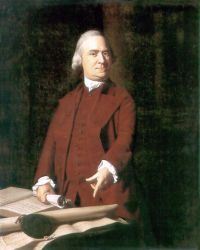
Portrait of Samuel Johnson Samuel Johnson,  A History and Defence of Magna Charta (1769)

“ We have lived to fee the most valuable part of the charter of our most sacred rights daringly invaded—but we will not live to see it destroyed. The wounds by which it falls shall first reach our hearts, and the rich torrents of our blood be shed as a libation on the pile of expiring freedom.
Let us preserve the Great Charter of our liberties with the same firmness as that by which it was obtained, and by which it has been preserved to us against the repeated attacks of wicked and abandoned traitors, and this is only to be done by the firmness and intrepidity of Englishmen.
”
Source: Wikisource

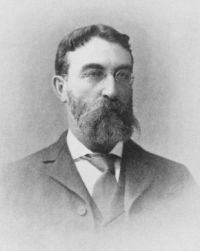
Portrait of James Harvey Robinson James Harvey Robinson,  An Introduction to the History of Western Europe

“ The Great Charter provided further that the king should permit merchants to [Pg 146] move about freely and should observe the privileges of the various towns; nor were his officers longer to exercise despotic powers over those under them.
"The Great Charter is the first great public act of the nation after it has realized its own identity, the consummation of the work for which unconsciously kings, prelates, and lawyers have been laboring for a century. There is not a word in it that recalls the distinctions of race and blood, or that maintains the differences of English and Norman law.
”
Source: Gutenberg

Get perspective with Kwize: daily news enlightened by great literature