Feudal law

Definition and stakes

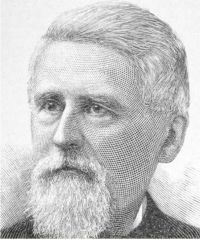
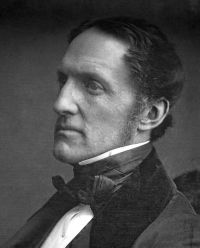
Portrait of George Burton Adams George Burton Adams,  The History of England from the Norman Conquest to the Death of John…

“ From beginning to end the Great Charter is a feudal document. The most important of its provisions which cannot be found in this law, those which may perhaps be called new legislation, relate to the judicial system as recently developed, which had proved too useful and was probably too firmly fixed to be set aside, though it was considered by the barons to infringe upon their feudal rights and had been used in the past as an engine of oppression and extortion. In this one direction the development of institutions in England had already left the feudal system behind. ”
Source: Gutenberg

Various,  The Catholic World, Vol. 04, October…

“ Hence commenced a struggle between the feudal law and the civil—feudalism seeking to retain its social organization based on distinctions of class, privileges, and corporations; and the civil law, based on the principle of the equality of all men by the natural law, seeking to eliminate the feudal elements from society, and to restore the Roman constitution, which makes power a trust derived from the community, instead of a personal right or privilege held independently of the community. ”
Source: Gutenberg

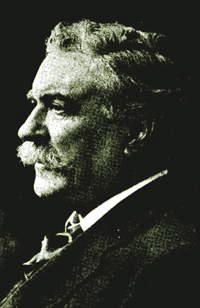
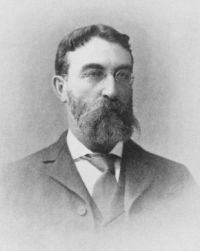
Portrait of Pasquale Villari Pasquale Villari,  The Two First Centuries of Florentine History

“ Nor can husband and wife succeed to each other. But under the growing influence of common law all these primitive characteristics likewise disappear. Feudal law has little importance in the Italian statutes; but the political and social importance of feudalism in the history of our communes is immense. It represents a society distinguished by laws and usages of its own, and that appeals to the Emperor, whose judgments and judges it always prefers to the laws and magistrates of the Republic which it despises, and would fain ignore. ”
Source: Gutenberg

Get perspective with Kwize: daily news enlightened by great literature