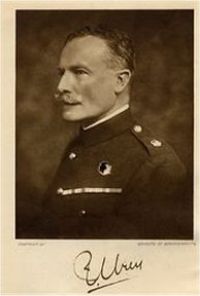
“ The Gurkha's attitude to the Turk or the Hun is his attitude to the boar. There is no hostility or hate in him, and he is a cheerful, if a grim, fighter. There was never a Gurkha fanatic. The Magar or Gurung does not wish to wash his footsteps in the blood of the ungodly. To the righteous or the unrighteous stranger he is alike indifferent. There is no race he would wish to extirpate, and he has few prejudices and no hereditary foes. When his honour or interest is touched he is capable of rapid primitive reprisals, but he does not as a rule brood or intrigue. ”
Gurkha
Definition and stakes
The Gurkha, a martial and culturally distinct people of Nepal, have historically been recognized for their warrior ethos, loyalty, and unique identity. Authors such as Edmund Candler and Reginald Hodder emphasize their fearless combat skills, unerring precision with the kukri, and a practical, non-revengeful approach to conflict. Frederick P.
Gibbon and Rudyard Kipling highlight their role in colonial and military settings, underscoring their reputation as formidable fighters. Percy Brown and John Tulloch Nash trace their origins to Rajput ancestry and distinguish them from Himalayan hill tribes. These perspectives collectively portray the Gurkha as a people defined by their disciplined combat techniques, cultural endurance, and complex relationships with imperial and regional powers.
Quotes about “Gurkha”
Reginald Hodder, Famous Fights of Indian Native Regiments
“ The Gurkha's skill with his kukri is so remarkable as to appear absolutely unerring. Given a human mark—let us say in the shape of a German—he can take off his nose or ear, or pierce his eye with deadly precision. No knife-thrower in the world can so accurately and closely fence in a man standing against a wall as can a Gurkha with some twenty knives—without drawing a drop of blood. ”
Frederick P. Gibbon, The Disputed V.C.: A Tale of the Indian Mutiny
“ Through the narrow streets ran and stumbled the defeated sepoys, and after them rushed fifty of the terrible men in drab, the active little Gurkhas being ever to the front. So thorough was the panic evoked by the surprise, that here and there a dozen or even a score of the rebels might be seen running with terrified eyes and panting breath from a single fierce Afridi or Yusufzai of the hills, or still fiercer Gurkha from the Himalayan snows ”