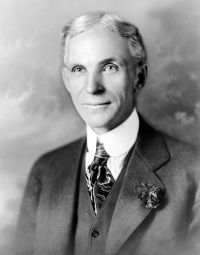
Henry Ford

Definition and stakes

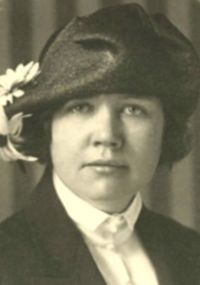
Portrait of Rose Wilder Lane Rose Wilder Lane,  Henry Ford's Own Story (1917)

“ For twenty years Ford had spent all his energy, all his time and thought in one thing—his work. If he had divided his interests, if he had allowed a liking for amusement, ease, finer clothes, admiration, to hinder his work in the old shed, he would never have built his car. If he had cared more for personal pleasure and applause than he did for his idea, he would have allowed his factory plan to be altered, twisted out of shape and forgotten when he first found capital to manufacture the car. ”
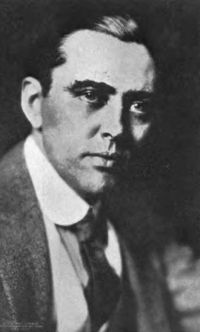
Source: Wikisource

Portrait of Rose Wilder Lane Rose Wilder Lane,  Henry Ford's Own Story (1917)

“ Henry responded promptly, but the foreman had already turned his back and forgotten him. Henry, almost doubtful of his good fortune, hurried away before the foreman should change his mind.
Outside in the sunshine he pushed his cap on the back of his head, thrust his hands deep into his pockets, jingling the silver in one of them, and walked down the street, whistling. The world looked like a good place to him. No more farming for Henry Ford. He was a machinist now, with a job in the James Flower shops.
”
Source: Wikisource

Portrait of Rose Wilder Lane Rose Wilder Lane,  Henry Ford's Own Story (1917)

“ Last year—January, 1914—America was startled by an announcement from the Ford factory that ten million dollars would be divided among the eighteen thousand employees as their share of the company's profits. Henry Ford was a multimillionaire, and America regarded him with awe.
Mankind must have its hero. The demand for him is more insistent than hunger, more inexorable than cold or fear.
”
Source: Wikisource

Get perspective with Kwize: daily news enlightened by great literature