High King of Ireland

Definition and stakes

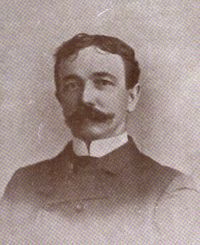
Portrait of J. B. Bury J. B. Bury The life of St. Patrick and his place in history (1905)

Those enemies were not asleep, and they rose up presently to take advantage of the favourable time. At this point we encounter an Irish king, whose name is famous in the obscure history of his own land. King Niall was the High-king of Ireland in the days of the rebellion of Maximus, and may possibly have joined in the marauding expeditions which vexed Britain during those years. His deeds are enveloped in legend, but the exalted notion which his countrymen formed of his prowess is expressed in the vain tale that he invaded Gaul and conquered as far as the Alps.
Source: Gutenberg

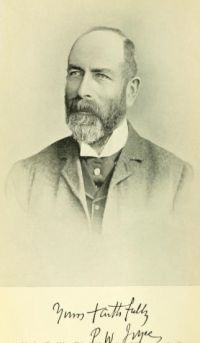
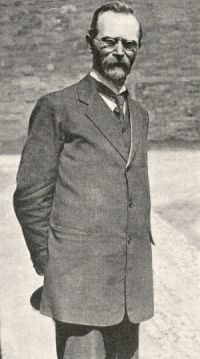
Portrait of P. W. Joyce P. W. Joyce The Story of Ancient Irish Civilization

CHAPTER I. HOW THE ANCIENT IRISH PEOPLE WERE GOVERNED BY THEIR KINGS AND CHIEFS.
There were in Ireland, from times beyond the reach of history, kings, who were of various grades according to the extent of the country or district they ruled over. The highest of all was the king of Ireland, who lived in the royal palace at Tara. He was called the Ard-ri [ard-ree] , i.e., ‘High king’ or Over-king, because he claimed authority over all the others. There was also a king over each of the five provinces—Leinster, Munster, Connaught, Ulster, and Meath—who were subject to the Ard-ri.
Source: Gutenberg

The Glories of Ireland

Two races certainly were mingled in the ancient Irish, the fair or auburn haired with blue eyes, and the dark haired with eyes of gray or brown. The Milesians appear to have reached Ireland through Spain. They came swiftly to power, more than a thousand years before our Lord, and divided the country into four provinces or kingdoms, with an ard-ri, or high-king, ruling all in a loose way as to service, taxes, and allegiance. The economic life was almost entirely pastoral. Riches were counted in herds of cattle.
Source: Gutenberg

Get perspective with Kwize: daily news enlightened by great literature