Hippolita

Definition and stakes

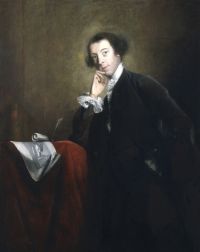
Portrait of Horace Walpole Horace Walpole The Castle of Otranto (1766)

Thou art too cruel; said Isabella to Hippolita: Canst thou behold this anguish of a virtuous mind, and not commiserate it? Not pity my child! said Hippolita, catching Matilda in her arms—Oh! I know she is good, she is all virtue, all tenderness, and duty. I do forgive thee, my excellent, my only hope! The Princesses then revealed to Hippolita their mutual inclination for Theodore, and the purpose of Isabella to resign him to Matilda. Hippolita blamed their imprudence, and shewed them the improbability that either father would consent to bestow his heiress on so poor a man, though nobly born.
Source: Wikisource

William Beckford Shorter Novels, Eighteenth Century

The first that broke silence was Hippolita.
“My lord,” said she to the desponding Manfred, “behold the vanity of human greatness! Conrad is gone! Matilda is no more! in Theodore we view the true Prince of Otranto. By what miracle he is so, I know not—suffice it to us, our doom is pronounced! Shall we not—can we but—dedicate the few deplorable hours we have to live, in deprecating the further wrath of Heaven? Heaven ejects us: whither can we fly, but to yon holy cells that yet offer us a retreat?”
Source: Gutenberg

Portrait of Horace Walpole Horace Walpole The Castle of Otranto (1766)

Holy farther, said Hippolita, it is your office to be no respecter of persons: you must speak as your duty prescribes: But it is my duty to hear nothing that it pleases not my Lord I should hear. Attend the Prince to his chamber. I will retire to my oratory, and pray to the blessed virgin to inspire you with her holy councils, and to restore the heart of my gracious Lord to its wonted peace and gentleness. Excellent woman! said the Friar—my Lord, I attend your pleasure.
Source: Wikisource

Get perspective with Kwize: daily news enlightened by great literature