Honorius I of Rome

Definition and stakes

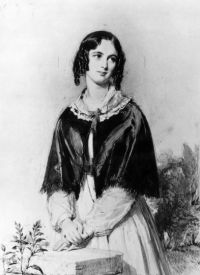
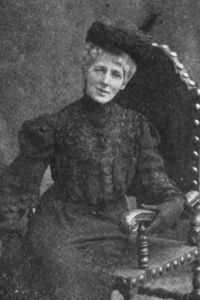
Portrait of Mrs. Hugh Fraser Mrs. Hugh Fraser,  Italian Yesterdays, vol. 1

“ We have indeed one beautiful picture of Honorius, when still but a youth he entered Rome again, and again heard the Roman shouts as he passed on to the Palatine, standing in his gilded chariot, the sun resting on his dark head and playing radiantly on the great necklaces of emeralds that rose and fell in response to the joyful beatings of a heart still very young, still responsive at times to noble impulses, the people cheering him madly, and the women weeping for joy at the sight of his beauty. ”
Source: Gutenberg

Ierne L. Plunket,  Europe in the Middle Ages

“ Under a wise regent a nation may wait in patience for their child ruler to mature. Unfortunately, Honorius, as he grew up, belied any promise of manliness he had ever shown, languidly refusing to continue his boyish sports of riding or archery, and taking no interest save in some cocks and hens that it was his daily pleasure to feed himself. He had no affection or reverence for Rome, and finally settled in Ravenna on the Adriatic as the safest fortress in his dominions. ”
Source: Gutenberg

1911 Encyclopædia Britannica, Volume 23… (1911)

“ The German bishops, however, elected Honorius II., who had the support of the barons. Thus the city was split into two camps and a deadly civil war ensued, terminating, despite the vigorous resistance of the nobility, in the defeat of Honorius II. But the nobles persevered in the contest and were the real masters of Rome. By conferring the patriciate on the emperor, as their feudal chief, they hoped to organize themselves under the prefect, who now, with greatly increased authority, presided over both the civil and criminal courts in the absence of the pope's representative. ”
Source: Wikisource

Get perspective with Kwize: daily news enlightened by great literature