House of Este

Definition and stakes

Luigi Villari,  1911 Encyclopædia Britannica, Volume 9… (1911)

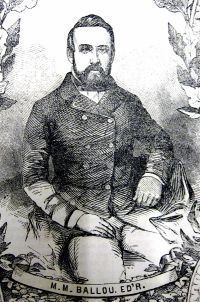
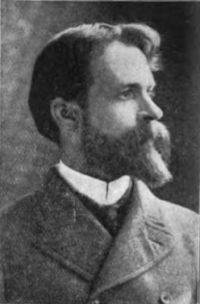
“ The Italian titles and estates were inherited by Folco I. (1060–1135) , son of Alberto Azzo by his second wife Gersende, daughter of Herbert I., count of Maine. [2] The house of Este played a great part in the history of medieval and Renaissance Italy, and it first comes to the front in the wars between the Guelphs and Ghibellines; as leaders of the former party its princes received at different times Ferrara, Modena, Reggio and other fiefs and territories. ”
Source: Wikisource

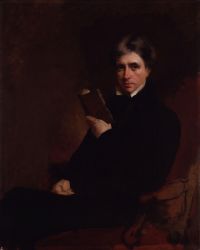
Portrait of Leigh Hunt Leigh Hunt,  Stories from the Italian Poets…

“ The singer of the house of Este would now, it might have been supposed, be happy. He had leisure; he had money; he had the worldly honours that he was fond of; he occupied himself in perfecting the Jerusalem; and he wrote his beautiful pastoral, the Aminta, which was performed before the duke and his court to the delight of the brilliant assembly. The duke's sister Lucrezia, princess of Urbino, who was a special friend of the poet, sent for him to read it to her at Pesaro ”
Source: Gutenberg

Portrait of Edward Berdoe Edward Berdoe,  The Browning Cyclopædia: A Guide to the Study of the Works of Robert Browning

“ Este. (Sordello.) A town of Lombardy, in the delegation of Padua, situated at the southern extremity of the Euganean hills. The Rocca or castle is a donjon tower occupying the site of the original fortress of Este.
Este, The House of. (Sordello.) One of the oldest princely houses of Italy, called Este after the name of the town above mentioned. Albert Azzo II. first bore the title of Marquis of [Pg 161] Este; he married a sister of Guelph III., who was duke of Carinthia.
”
Source: Gutenberg

Get perspective with Kwize: daily news enlightened by great literature