Hungarian language

Definition and stakes

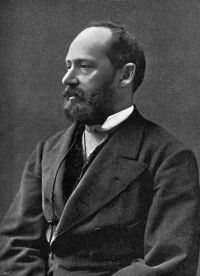
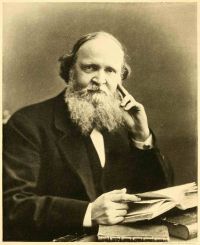
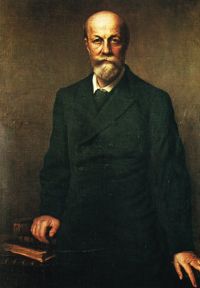
Portrait of Frigyes Riedl Frigyes Riedl,  A History of Hungarian Literature (1906)

“ THE LANGUAGE REFORM
At the commencement of the nineteenth century Hungarian literature presents a remarkable phenomenon. In the course of a few years the literary language was so entirely transformed, that practically a new tongue came to be at the service of poets. As culture and literary taste spread, and authors grappled with the theory of art and of poetry, it became more and more evident that the Hungarian language was neither rich enough, nor polished enough, to express all the new ideas which increased culture had called into being.
”
Source: Wikisource

R. G. Latham,  The English Language

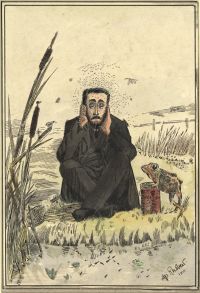
“ The Hungarian emigrants, who are now removing thither from the vengeance of Austria, may perpetuate their native Magyar, and America may in time present a surface as checkered as Europe, or in some parts, as Hungary itself, where the traveller often in passing from one village to another, finds himself in the domain of a different language. That this consummation may be averted must be the wish not only of every Englishman and of every Anglo-American, but of every sincere friend of the advancement of literature and civilization. ”
Source: Gutenberg

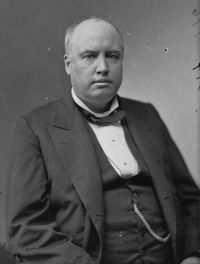
Portrait of Mór Jókai Mór Jókai,  A Hungarian Nabob

“ It is no light task to attempt to transplant a classic like "Egy Magyar Nábob." National tastes differ infinitely, and then there is the formidable initial difficulty of contending with a strange and baffling non-aryan language. Only those few hardy linguists who have learnt, in the sweat of their brows, to read a meaning into that miracle of agglutinative ingenuity, an Hungarian sentence, will be able to appreciate the immense labour of rendering some four hundred pages of a Magyar masterpiece of peculiarly idiomatic difficulty into fairly readable English. ”
Source: Gutenberg

Get perspective with Kwize: daily news enlightened by great literature