Ibycus

Definition and stakes

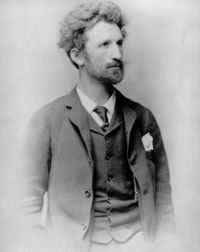
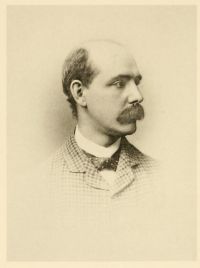
Portrait of Thomas Bulfinch Thomas Bulfinch,  The Age of Fable: — XXV. Arion… (1855)

“ As wave follows wave over the face of the sea, so ran from mouth to mouth the words, "Of Ibycus! him whom we all lament, whom some murderer's hand laid low! What have the cranes to do with him?" And louder grew the swell of voices, while like a lightning's flash the thought sped through every heart, "Observe the power of the Eumenides! The pious poet shall be avenged! the murderer has informed against himself. Seize the man who uttered that cry and the other to whom he spoke!" ”
Source: Wikisource

The Book of the Thousand Nights and a Night… (1886)

“ The inhabitants of the adjoining districts came in crowds to the temples. The murderers of Ibycus also came, and everywhere showed themselves. Meanwhile a flock of cranes appeared in the air and hovered above the people, uttering cries so loud and prolonged that the prayers and ceremonies were interrupted. One of the robbers looked with a smile at his comrades, saying, by way of joke, "These cranes come without doubt to avenge the blood of Ibycus." Some one of the town, who was near them, heard these words, repeated them to his neighbour, and they together reported them to the king. ”
Source: Gutenberg

Portrait of Richard Chenevix Trench Richard Chenevix Trench,  Proverbs and Their Lessons

“ For these, sitting a little time after in the open theatre at Corinth, beheld this flight of cranes hovering above them, and one said scoffingly to another, “Lo, there, the avengers of Ibycus!” The words were caught up by some near them; for already the poet’s disappearance had awakened anxiety and alarm. Being questioned, they betrayed themselves, and were led to their doom; and The cranes of Ibycus passed into a proverb, very much as our Murder will out, to express the wondrous leadings of God whereby continually the secretest thing of blood is brought to the open light of day. ”
Source: Gutenberg

Get perspective with Kwize: daily news enlightened by great literature