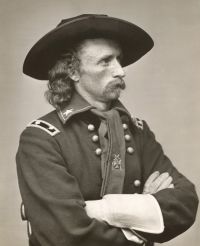
Indian officer

Definition and stakes

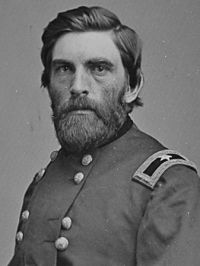
Portrait of George A. Custer George A. Custer,  My life on the plains (1874)

“ The first and great interest of the army officer is to preserve peace with the Indians. His home during his life is to be at some military post in the Indian country, and aside from the obligations of duty, his own comfort and quiet, and the possibility of escaping arduous and harassing field service against Indians at all seasons of the year, accompanied by frequent changes of station, which render it impossible for him to have his family with him, render a state of peace with Indians the most desirable of all things to him. ”

Source: Gutenberg

Portrait of George A. Custer George A. Custer,  My life on the plains (1874)

“ In truth I know some who are very sincere and honorable men, who try to administer their offices with fidelity to the Government; but that the mass of Indian agents on the frontier are true only to their personal and pecuniary interests, I am very sure no one familiar with the subject will dispute. I repeat, then, that a condition of peace with the Indians is above all things desirable to the military officer stationed in their country: something very like the reverse to the Indian agent. ”
Source: Gutenberg

Portrait of George A. Custer George A. Custer,  My life on the plains (1874)

“ Suddenly dashing from a ravine, as if springing from the earth, forty-three Indian warriors burst out upon the cavalry, letting fly their arrows and filling the air with their wild war-whoops. Fortunately Captain Hamilton was an officer of great presence of mind as well as undaunted courage. The Indians began circling about the troops, throwing themselves upon the sides of their ponies and aiming their carbines and arrows over the necks of their well-trained war-steeds. ”
Source: Gutenberg

Get perspective with Kwize: daily news enlightened by great literature