Indian treaty

Definition and stakes

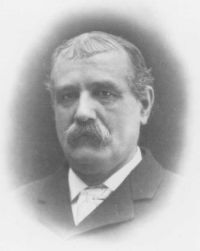
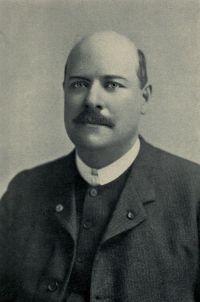
Portrait of Cyrus Townsend Brady Cyrus Townsend Brady,  Indian Fights and Fighters: The Soldier and the Sioux

“ At times the Indians have been regarded as independent nations, with which all differences were to be settled by treaty as between equals; and again, as a body of subjects whose affairs could be and would be administered willy-nilly by the United States. Such vacillations are certain to result in trouble, especially as, needless to say, the Indians invariably considered themselves as much independent nations as England and France might consider themselves, in dealing with the United States or with one another. ”
Source: Gutenberg

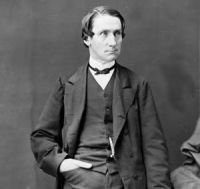
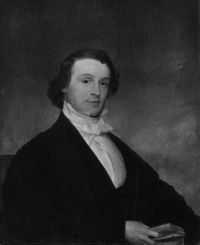
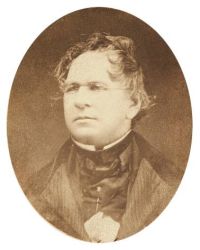
Portrait of Henry Rowe Schoolcraft Henry Rowe Schoolcraft,  Western Scenes and Reminiscences

“ We have conquered them, on the field, not to usurp territory, but to place them in a condition to observe how much more their interests and permanent prosperity would be, and have ever been, promoted by the plough than the sword. And there has been a prompt recurrence, at every mutation from war to peace, punctually, to that fine sentiment embraced in the first article of the first treaty ever made between the American government and the Indian tribes, namely, that all offences and animosities “shall be mutually forgiven, and buried in deep oblivion, and never more be had in remembrance.” ”
Source: Gutenberg

Get perspective with Kwize: daily news enlightened by great literature