Irish republicanism

Definition and stakes

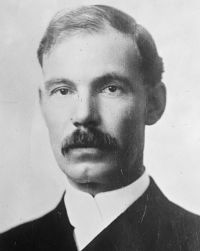
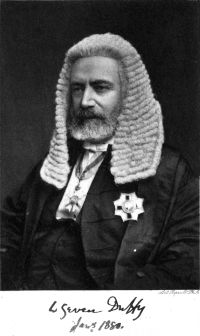
Portrait of Charles Gavan Duffy Charles Gavan Duffy,  My Life in Two Hemispheres (1898)

“ This was the creed of the Nation. I am entitled to answer for myself and my fellow-labourers alone; but I believe it is substantially the creed of the Irish Confederation. They do not demand Republicanism—they demand the legislative independence of Ireland, and will guard it jealously if it come by free negotiation. If independence must come by force, a Republic is inevitable and welcome. But in a free Parliament or a free Congress the rights of private property, the just rights of every class in the State will be sacred. ”
Source: Wikisource

Sir Charles Wentworth Dilke,  Greater Britain: A Record of Travel in English-Speaking Countries During 1866-7

“ The greater number hate the Irish, but sympathize profoundly with Ireland. Many are so desirous of seeing republicanism prevail throughout the world that they support the Irish republic in any way, except, indeed, by taking its paper money, and look upon its establishment as a first step toward the erection of a free government that shall include England and Scotland as well. ”
Source: Gutenberg

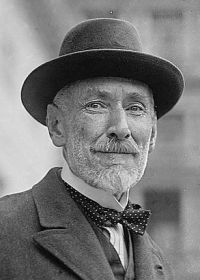
Portrait of George A. Birmingham George A. Birmingham,  Hyacinth

“ Their great weakness has lain in the fact that they have had no consistent aim. Some of their leaders have looked for a return to Ireland’s Constitution, and built upon the watchword of the volunteers, ‘The King, the Lords, and the Commons of Ireland.’ Some have dreamed of a complete independence, of an Irish republic shaping its own world policy. Some have wholly distrusted politics, and given their strength to the intellectual, spiritual, or material regeneration of the people. Among these men have been found the sanest practical reformers and the wildest revolutionary dreamers. ”
Source: Gutenberg

Get perspective with Kwize: daily news enlightened by great literature