Ise Grand Shrine

Definition and stakes

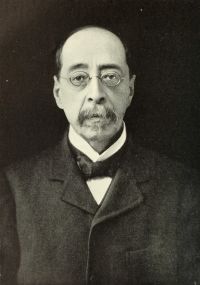
Portrait of Lafcadio Hearn Lafcadio Hearn,  Kokoro: Hints and Echoes of Japanese Inner Life

“ The gods, indeed, remain,—haunt their homes upon the hills, diffuse a soft religious awe through the twilight of their groves, perhaps because they are without form and substance. Their shrines seldom pass utterly into oblivion, like the dwellings of men. But every Shinto temple is necessarily rebuilt at more or less brief intervals; and the holiest,—the shrine of Ise,—in obedience to immemorial custom, must be demolished every twenty years, and its timbers cut into thousands of tiny charms, which are distributed to pilgrims. ”
Source: Gutenberg

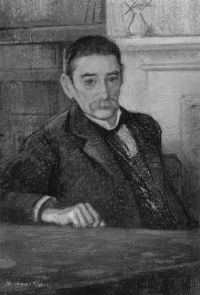
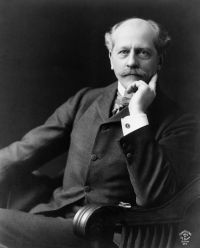
Portrait of Percival Lowell Percival Lowell,  Occult Japan — The Shrines of Ise (1894)

“ Beyond the veil none but the Mikado and the special priests may ever go. Yet every now and then a gracious breeze gently wafts the curtain a little to one side, and for an instant gives the faithful glimpse of a pebbly court, a second gateway, and, screened by pale within pale of palisades, more plain wooden buildings with strangely raftered roofs, reputed counterparts of the primeval dwellings of the race. And this is all that man may ever see of the great Shrines of Ise, chief Mecca of the Shintō faith. ”
Source: Wikisource

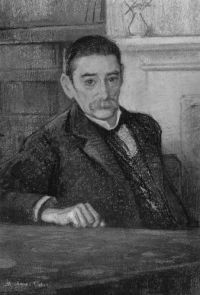
Portrait of Percival Lowell Percival Lowell,  Occult Japan — The Shrines of Ise (1894)

“ Over the whole countryside and far up its background of hills glow cloud-like masses of pink-white bloom, while upon all the country roads carnival crowds of men, women, and children journey gayly along, chanting as they go, beneath the canopy of blossom. It is the great Shintō pilgrimage to the Shrines of Ise that he is gazing on, made every spring by three hundred thousand folk at the time when the cherries blow. ”
Source: Wikisource

Get perspective with Kwize: daily news enlightened by great literature