Torii

Definition and stakes

Portal:The Folk-Lore Society,  Folk-Lore (1919 (vol. 30), 1920 (vol. 31))

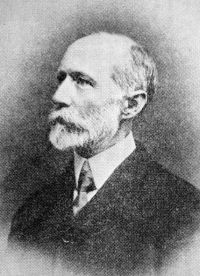
“ Torii has done much to rescue from oblivion a helpless and dying people; and we have reason to be grateful to him for his labours, conceived and carried out in a truly scientific spirit worthy of a young and vigorous university, the meeting-place of the learning and philosophy of East and West. ”
Source: Wikisource

F. Hadland Davis,  Myths & Legends of Japan

“ In one legend we are informed that the sun descends to earth in the form of the Ho-Ho Bird, messenger of love, peace, and goodwill, and rests upon one of the torii.
Professor B. H. Chamberlain regards the "bird-rest" etymology and the theories derived from it as erroneous, and believes that the torii came originally from Asia. He writes, in Things Japanese: "The Koreans erect somewhat similar gateways at the approach of their royal palaces; the Chinese p'ai lou, serving to record the virtues of male or female worthies, seem related in shape as well as in use
”
Source: Gutenberg

F. Hadland Davis,  Myths & Legends of Japan

“ Dr. W. G. Aston also believes that the torii came from abroad, "but holds that it was fitted with a pre-existing name, which would have originally designated 'a lintel' before it came to have its present sacred associations." [2]
In regard to the construction of these gateways, Mrs. C. M. Salwey writes: "The oldest torii of Japan ... were constructed of plain unvarnished wood. In fact, they were built of straight, upright trunks of trees in their natural state, though sometimes bereft of the outer bark.
”
Source: Gutenberg

Get perspective with Kwize: daily news enlightened by great literature