Jack Cade's Rebellion

Definition and stakes

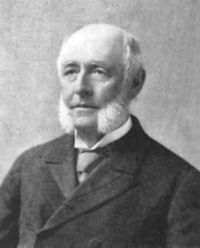
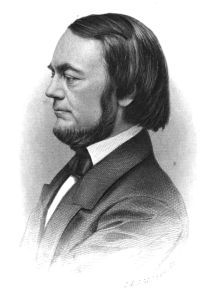
Portrait of Joseph Clayton Joseph Clayton,  The Rise of the Democracy

“ Just as easy is it to regard the Peasant Revolt of the fourteenth century and Jack Cade's rebellion in the fifteenth century as the tumults of a riotous mob. The great point is to see clearly in all these contests, successful and unsuccessful, the movement for liberty, for greater security and expansion of life in England, and to note that only by a stern endurance and a willingness not to bear an irksome oppression have our liberties been won. In the winning of these liberties we have proved our fitness for democracy, for a government that will allow the fullest measure of self-development. ”
Source: Gutenberg

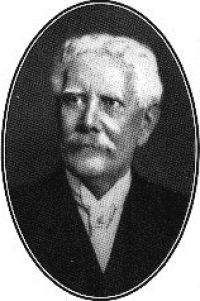
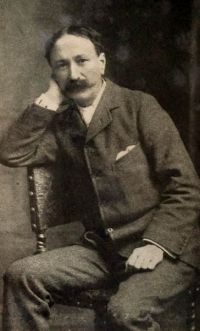
Portrait of J. M. Robertson J. M. Robertson,  The Evolution of States

“ It is noteworthy, on the side of economics, that despite this temper serfage did gradually die out, the people being for long unable to multiply up to the old level, by reason of restraint, ill-usage, civil war, the decline of tillage and the grouping of holdings, and the high death-rate. Jack Cade's rebellion, in 1450, indicated the persistence of the democratic spirit, contending as it did for the suppression of the system under which the nobles plundered the kingdom while the king was imbecile. ”
Source: Gutenberg

The Paston Letters, A.D. 1422-1509…

“ Hence arose Jack Cade’s rebellion, a movement which we must not permit ourselves to look upon as a vulgar outbreak of the rabble. Whole districts of Kent, Surrey, and Sussex rose in arms, clamouring for redress of grievances; and it is certain that the insurgents met with a large amount of sympathy, even from those who did not actually take part with them.69.1 As their leader, they selected a man who called himself Mortimer, and who, besides some experience in war, was evidently possessed of no small talent for generalship. ”
Source: Gutenberg

Get perspective with Kwize: daily news enlightened by great literature