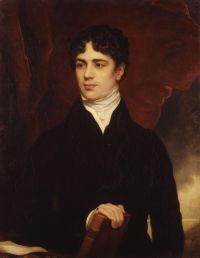
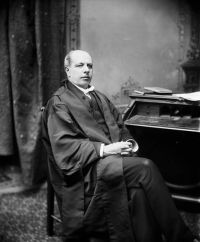
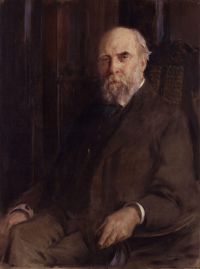
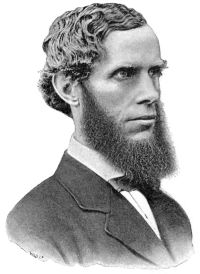
John George Lambton, 1st Earl of Durham

Definition and stakes

Ronald John McNeill 1911 Encyclopædia Britannica, Volume 8… (1911)

DURHAM, JOHN GEORGE LAMBTON, 1st Earl of (1792–1840) , English statesman, son of William Henry Lambton of Lambton Castle, Durham, was born in London on the 12th of April 1792. His mother was Anne Barbara Villiers, daughter of the 4th earl of Jersey. Lambton was only five years old when by his father’s death at Pisa (1797) he succeeded to large estates in the north of England which had been in the uninterrupted possession of his family since the 12th century. In 1805 he went to Eton, and in 1809 obtained a commission in the 10th Hussars.
Source: Wikisource

Ronald John McNeill 1911 Encyclopædia Britannica, Volume 8… (1911)

Parliamentary reform was in the forefront of the new government’s policy, and with this question no statesman except Lord Grey himself was more closely indentified than Durham. To ardent reformers in the country the presence in the cabinet of “Radical Jack,” the name by which Lambton had been popularly known in the north of England, was a pledge that thorough-going reform would not be shirked by the Whigs, now in office for the first time for twenty years. And it was to his son-in-law that Lord Grey confided the task of preparing a scheme to serve as the basis of the proposed legislation.
Source: Wikisource

Ronald John McNeill 1911 Encyclopædia Britannica, Volume 8… (1911)

Lord Durham filled a larger place in the eyes of his contemporaries than many statesmen who have been better remembered. He was in his lifetime regarded as a great popular leader; and his accession to supreme political power was for some years considered probable by many; his opinions were, however, too extreme to command the confidence of any considerable party in parliament before 1840. That Brougham hated him and Melbourne feared him, is a tribute to his abilities
Source: Wikisource

Get perspective with Kwize: daily news enlightened by great literature