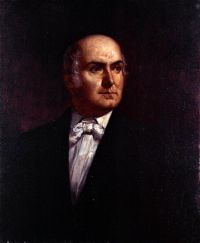
Responsible government refers to a parliamentary system in which the executive branch gains its authority from and remains answerable to the legislature, especially the lower house. This principle, fundamental to the Westminster model, ensures that ministers are accountable to elected officials rather than the monarch or outside forces. Writers such as Alexander Hamilton stressed the government's role as a trustee for the people, while Abel P.
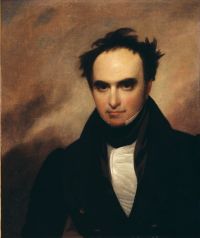
Upshur highlighted the importance of executive responsibility to public confidence. John Austin criticized paternalistic rule, and Daniel Webster connected justice with shared responsibility. George W. Bush later emphasized civic duty as a key element of governance. The development of this concept—from colonial reforms to contemporary democratic practice—demonstrates a lasting balance between accountability and efficient governance.