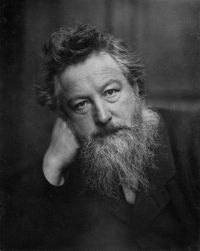
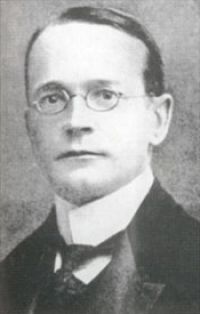
Karl Philipp von Dalberg

Definition and stakes

Various,  Encyclopaedia Britannica, 11th Edition…

“ Karl Theodor Anton Maria von Dalberg (1744-1817) , archbishop-elector of Mainz, arch-chancellor of the Holy Roman Empire, and afterwards primate of the Confederation of the Rhine and grand-duke of Frankfort. He was the son of Franz Heinrich, administrator of Worms, one of the chief counsellors of the elector of Mainz. Karl had devoted himself to the study of canon law, and entered the church; and, having been appointed in 1772 governor of Erfurt, he won further advancement by his successful administration; in 1787 he was elected coadjutor of Mainz and of Worms, and in 1788 of Constance ”
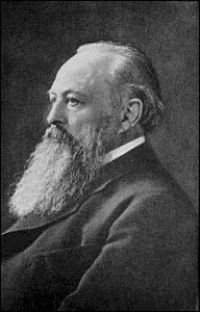
Source: Gutenberg

1911 Encyclopædia Britannica, Volume 10… (1911)

“ He received the grand cordon of the Legion of Honour, became grand-almoner of the empire and had a seat in the French senate. He was to receive further honours. In 1806 one of the most influential of the German clerics, Karl von Dalberg, then prince bishop of Regensburg, chose him to be his coadjutor and designated him as his successor. ”
Source: Wikisource

1911 Encyclopædia Britannica, Volume 7… (1911)

“ He himself wrote several plays, including adaptations of Shakespeare. His brother, Johann Friedrich Hugo von Dalberg (1752–1812) , canon of Trier, Worms and Spires, had some vogue as a composer and writer on musical subjects.
4. Emmerich Joseph, Duc de Dalberg (1773–1833) , son of Baron Wolfgang Heribert. He was born at Mainz on the 30th of May 1773. In 1803 he entered the service of Baden, which he represented as envoy in Paris. After the peace of Schönbrunn (1809) he entered the service of Napoleon, who, in 1810, created him a duke and councillor of state.
”
Source: Wikisource

Get perspective with Kwize: daily news enlightened by great literature