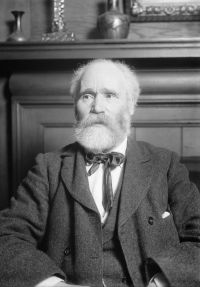
Keir Hardie (1856–1915), a Scottish socialist and founder of the Labour Party, was a pivotal figure in British political and labor history. Born into poverty, he rose to prominence as a miners’ union leader, journalist, and parliamentary pioneer, championing workers’ rights, social reform, and pacifism. His writings, such as The Case for Women’s Suffrage and reflections on Marx’s legacy, underscored his dedication to egalitarian ideals.
Authors like Maisie Ward and Alfred North Whitehead emphasized his impact on political discourse, while his speeches and collaborations with figures like Sylvia Pankhurst solidified his status as a radical voice. Hardie’s vision of a classless society, expressed through his activism and writings, remains a cornerstone of socialist thought and the Labour Party’s foundational principles.