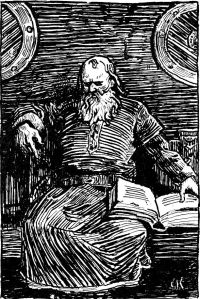
The title of King of Sweden, a constitutional and hereditary monarchy, has shaped the nation’s political and cultural landscape for over a millennium. From medieval elective traditions to modern parliamentary democracy, Swedish kings have managed power dynamics, religious reforms, and international conflicts.
Authors like Samuel Mills Warren compared the monarch to an idol, while Victor Alfred Nilsson emphasized the contrast between Sweden’s historical grandeur and its later challenges under Charles XII. Samuel Irenæus Prime observed the king’s accessibility, and others underscored his symbolic function. Despite contemporary critiques, the monarchy remains an enduring institution, illustrating Sweden’s complex interplay of tradition and sovereignty.