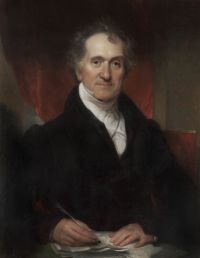
King of the Netherlands

Definition and stakes

Portrait of William Wirt William Wirt Celebration in Baltimore of the Triumph of Liberty in France

Thus the contagion is spreading: the Netherlands have risen and demanded a charter from their king. This is a new alarm to the neighboring monarchies. But the king of the Netherlands is a sensible and honest man, and has, we are told, already called the States General, with a view to the redress of the grievances of his subjects. This monarch has followed, in the main, the policy of England so closely as to leave but little doubt that he will be willing to adopt the British form of government; and that he will, also, follow her example in the immediate recognition of that of France.
Source: Gutenberg

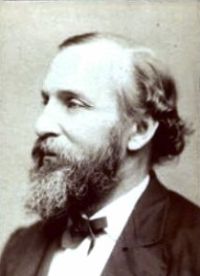
Portrait of John Lothrop Motley John Lothrop Motley The Rise of the Dutch Republic… (1856)

The stream, which we have been tracing from its source, empties itself at last into the ocean of a world-empire. Count Dirk the First, lord of a half-submerged corner of Europe, is succeeded by Count Charles the Second of Holland, better known as Charles the Fifth, King of Spain, Sicily, and Jerusalem, Duke of Milan, Emperor of Germany, Dominator in Asia and Africa, autocrat of half the world. The leading events of his brilliant reign are familiar to every child. The Netherlands now share the fate of so large a group of nations, a fate, to these provinces, most miserable.
Source: Wikisource

Dwight L. Elmendorf The Mentor: Holland, v. 2, Num…

In 1806 Louis Bonaparte was created king of Holland by his brother Napoleon. Four years later Napoleon annexed Holland to France, giving as the reason his belief that it was formed of the alluvial deposit of French rivers. At last, in November, 1813, the French were expelled from Holland; and in 1815, by the Congress of Vienna, the southern or Belgian province of the Netherlands was united with the northern into a single kingdom, and the Prince of Orange was created king of the Netherlands under the title of William I. This union was severed by the Belgian revolution of 1830.
Source: Gutenberg

Get perspective with Kwize: daily news enlightened by great literature