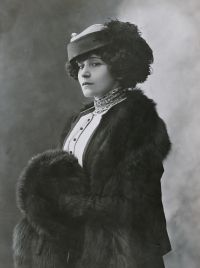
Ko-Ko

Definition and stakes

The Sandman's Hour: Stories for Bedtime

“ Splash went both children into the water, and there in place of the monster was an old man. He caught the children in his arms and brought them to the shore.
"But what will we do for food, now that you are a man?" asked Ko-Ko.
"We shall want for nothing now," replied the old man. "I am a sea-god and can do many things, now that I have my own form again. We will change this island into a beautiful garden, and when the little girl and you are grown up and married you shall have a castle, and all the sea-gods and nymphs will care for you. You will never want for anything again.
”
Source: Gutenberg

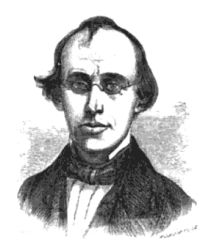
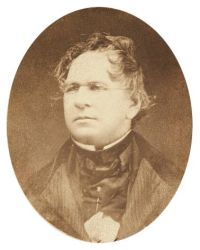
Portrait of Henry Rowe Schoolcraft Henry Rowe Schoolcraft,  The Indian Fairy Book

“ And she gave him a handful of fish-bones, which Ko-ko thrust into his bosom, taking them to be the Invisible Tallies which had helped Onwee Bahmondang in climbing the magical tree.
"Thank you," said Ko-ko, taking up his club and striding toward the door.
"Will you not have a little advice," said the old woman. "This is a dangerous business you are going on."
Ko-ko turned about and laughed to scorn the proposal. Then putting forth his right foot from the lodge first, an observance in which he had great hopes, he started for the lodge of the wicked father.
”
Source: Gutenberg

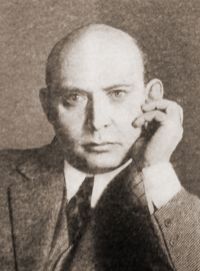
Portrait of Cornelius Mathews Cornelius Mathews,  The Indian Fairy Book: From the Original Legends

“ Cry as loud as he would, the enchanted moccasins would keep on in their own course; and before he could shake himself out of them, they had run him directly into the face of the wicked father.
"What do you mean, you Owl?" cried the wicked father, falling upon Ko-ko with a huge club, and counting his ribs at every stroke.
"I can not help it, good man," answered Ko-ko. "I tried my best—"
Ko-ko would have gone the other way, but the enchanted moccasins kept hurrying him forward. "Stand off, will you?" cried the old man.
”
Source: Gutenberg

Get perspective with Kwize: daily news enlightened by great literature