Les Huguenots

Definition and stakes

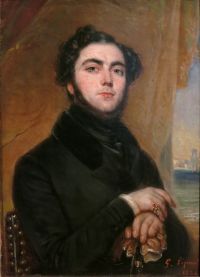
Guillaume Félice,  History of the Protestants of France… (1853)

“ The Huguenots had observed a rigid discipline at the outset of the campaign. Having newly taken up the cross and risen at the call of their conscience, they wished to absolve their arms by the austerity of their lives. There were no women in their camps; no cards or dice; no blasphemy; no profane discourse; no maurauding or pillage. The nobles paid in money for all that they took for themselves or for their followers. Those who committed violence were punished. ”
Source: Gutenberg

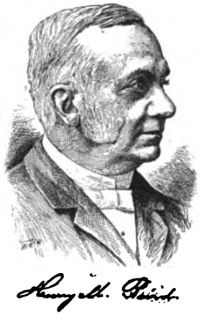
Portrait of Henry Martyn Baird Henry Martyn Baird,  History of the Rise of the Huguenots…

“ But the Huguenots possessed countervailing advantages, in close sympathy with each other, in fervid zeal for their common faith, as well as in an organization all but perfect. Simultaneously with their flight from Noyers, the prince and the admiral had sent out a summons addressed to the Protestants in all parts of the kingdom, and this was responded to with enthusiasm by great numbers of those who had been their devoted followers in the two previous wars. ”
Source: Gutenberg

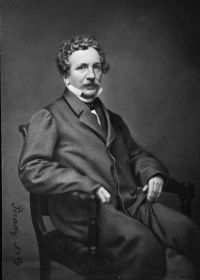
A. H. Johnson,  Europe in the Sixteenth Century…

“ It is, in fact, from this time that we must date the uncompromising hostility to the Reformers of these three powerful bodies—the nobility, the clergy, and the lawyers—many of whom hitherto had not been unwilling to show some favour to the Huguenots. The only chance of the Huguenots now depended on the maintenance of peace. Although they had not gained all that they desired, and although the Edict was only to be provisional, their adherents were increasing so fast that in a short time they might hope to be able to command respect. ”
Source: Gutenberg

Get perspective with Kwize: daily news enlightened by great literature