Levi, the third son of Jacob and progenitor of the Israelite tribe of Levites, occupies a central position in biblical tradition as an ancestor of priests and religious officials. From the violent retribution described in Genesis to his symbolic redemption in later texts, Levi’s legacy is complex and layered.
Authors such as Longfellow depict him as a devout figure in Jewish legend, while Mackintosh views him as a symbol of spiritual rebirth. Baudelaire associates him with the mystical conveyance of divine truth, and the Bible itself outlines the sacred responsibilities of his tribe. These diverse interpretations highlight Levi’s lasting importance as both a historical individual and an emblem of religious calling.
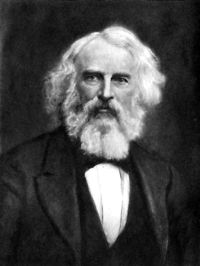 Henry Wadsworth Longfellow,
Tales of a Wayside Inn — Part First…
(1863)
Henry Wadsworth Longfellow,
Tales of a Wayside Inn — Part First…
(1863)