The concept of "Manderson" emerges as a literary motif centered on identity, deception, and the complex interplay between appearance and reality. In E. C. Bentley’s The Woman in Black, Manderson is portrayed as a figure whose strict self-control and concealed resentments are crucial to solving a murder mystery, with his physical characteristics and behaviors examined to unmask impostors like Marlowe.
Likewise, in Trent’s Last Case by Edmund Clerihew Bentley, Manderson’s presence remains shrouded in atmospheric uncertainty, his home life marked by solitude and puzzling conditions. These depictions highlight Manderson as a force that drives exploration of themes such as duality and the vulnerability of perceived truth, with his influence woven into the narratives of detectives and conspirators who move through his shadow. The theme thus revolves around the conflict between public image and private motives, as revealed through forensic detail and narrative tension.
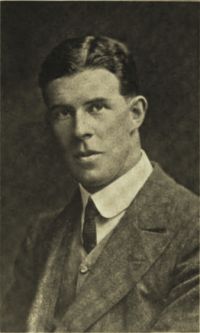 E. C. Bentley,
The Woman in Black
E. C. Bentley,
The Woman in Black