Maranhão

Definition and stakes

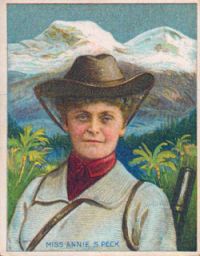
Portrait of Annie S. Peck Annie S. Peck,  Industrial and commercial South America (1922)

“ Maranhão, a little larger, has Piauhy east and south, Goyaz south and west, almost touching Bahia between these two; it has Pará also on the west. Its coast line is 100 miles more than Piauhy’s. Cotton is the chief agricultural product, but others exist; the cattle industry is important, much live stock going to Amazonas; there is good forest wealth, various minerals, and important cotton factories.
São Luis do Maranhão, the capital, population 50,000, is called the chief port though troubled by sand, while Tutoya is excellent.
”

Source: Gutenberg

1911 Encyclopædia Britannica, Volume 17… (1911)

“ The principal industries of Maranhão are agricultural, the river valleys and coastal zone being highly fertile and being devoted to the cultivation of sugar-cane, cotton, rice, coffee, tobacco, mandioca and a great variety of fruits. The southern highlands, however, are devoted to stock-raising, which was once an important industry. Troublesome insects, vampire bats, and the failure to introduce new blood into the degenerated herds, are responsible for its decline. ”
Source: Wikisource

Portrait of Thomas J. Campbell Thomas J. Campbell,  The Jesuits, 1534-1921

“ His majesty saw the truth and sent the missionaries back. That was as early as 1680. In 1725 new complaints were sent to Portugal, but the supreme governor of the Maranhão district wrote, as follows, to the king: "The Fathers of the Society in this State of Maranhão are objects of enmity and have always been hated, for no other reason than for their strenuous defence of the liberty of the unfortunate Indians, and also because they used all their power to oppose the tyrannical oppression of those who would reduce to a degraded and unjust slavery men whom nature had made free. ”
Source: Gutenberg

Get perspective with Kwize: daily news enlightened by great literature