The Medal of Honor, the highest military decoration in the United States, acknowledges acts of valor performed by service members who placed their lives at risk beyond the call of duty. Created in 1861 for the Navy and later extended to the Army and Air Force, it symbolizes bravery in battle and heroic actions during times of peace. Writers such as Samuel Scoville emphasized its significance alongside international honors, while William Jefferson Clinton highlighted its role in honoring sacrifice, as demonstrated in his 1994 speech commemorating Somalia veterans.
Henry C. Meyer’s endorsement of a Civil War officer illustrated the medal’s standards for exceptional courage, and James Lane Allen connected it to the nation’s remembrance of military virtues. The Medal of Honor’s development—from its 19th-century beginnings to its contemporary forms—demonstrates an unwavering dedication to recognizing selflessness, as reinforced by laws and presidential declarations. Its legacy continues as a tribute to the lasting importance of courage in service.
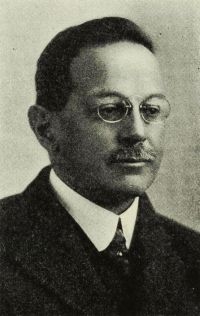 Samuel Scoville,
Brave Deeds of Union Soldiers
Samuel Scoville,
Brave Deeds of Union Soldiers