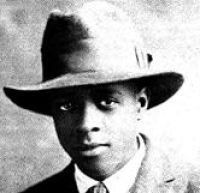
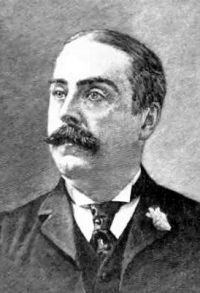
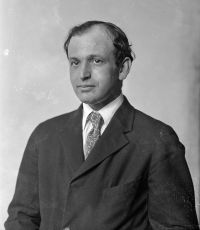
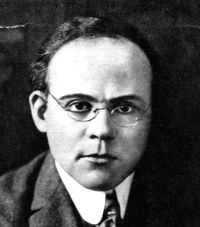
Harlem, a vibrant neighborhood in New York City, emerged as a cultural and social hub for Black Americans during the early 20th century. Authors such as Wallace Thurman, Claude McKay, and W. E. B. Du Bois depicted it as a paradoxical space—simultaneously a center of artistic innovation and a place of stark contrasts, where "vivid passions" coexisted with "squalid chaos.
" Thurman emphasized its role as a "dream city" teeming with diversity, while McKay’s poetic imagery evoked Harlem’s magnetic allure. Even F. Scott Fitzgerald and Sterling A. Brown acknowledged its magnetic pull, framing it as a Mecca for both Black aspirants and curious outsiders. These portrayals collectively underscore Harlem’s duality as a symbol of Black resilience and the complexities of urban life.
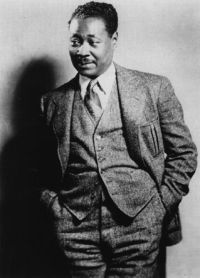 Claude McKay,
Harlem Shadows — La Paloma in London
(1922)
Claude McKay,
Harlem Shadows — La Paloma in London
(1922)