Mediterranean peoples

Definition and stakes

Karl Baedeker,  The Mediterranean (1911)

“ In the beautiful and luxuriant gardens, especially in Italy, on the French Riviera, and in Algeria, the flora of almost every quarter of the globe is represented.
No less varied and interesting are the Inhabitants of the Mediterranean lands, who belong to three distinct continents, and who differ widely in race and language, in religion and culture. In remote mountain-regions there still exist peoples, like the Basques and the Albanians, who belong to the oldest races in Europe.
”
Source: Gutenberg

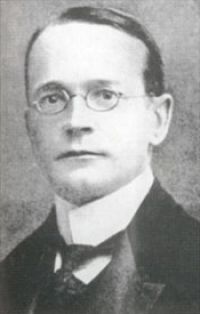
Portrait of Frank Fox Frank Fox,  Bulgaria

“ In prehistoric times the peoples around the European shores of the Mediterranean brought to accomplishment a very advanced type of civilisation. It owed its foundations to Egypt or to the Semitic peoples, such as the Phoenicians, the Tyrians, and the Carthaginians, whose race-home was Asia Minor. Whilst this Mediterranean civilisation was being shaped in the south—in the north, in the forests or plains along the shores of the Baltic and of the North Sea, the fecund Teutonic people were swelling to a mighty host and overflowing their boundaries. ”
Source: Gutenberg

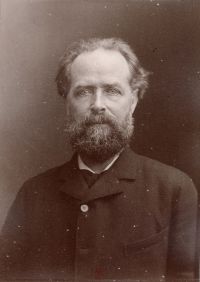
Portrait of Joseph McCabe Joseph McCabe,  The Story of Evolution

“ The whole region to the east of the Mediterranean was just as fitted to develop a civilisation as the valley of the Nile. It swarmed with peoples having the latest Neolithic culture, and, as they advanced, and developed navigation, the territory of many of them became the high road of more advanced peoples. A glance at the map will show that the easiest line of expansion for a growing people was westward. The ocean lay to the right of the Babylonians, and the country north and south was not inviting. The calmer Mediterranean with its fertile shores was the appointed field of expansion. ”
Source: Gutenberg

Get perspective with Kwize: daily news enlightened by great literature