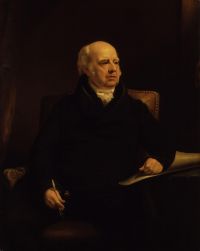
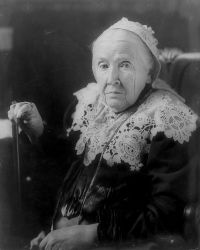
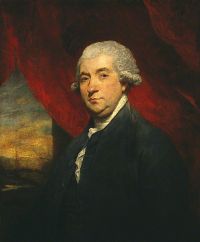
Mr. Brownlow

Definition and stakes

Kate Dickinson Sweetser,  Ten Boys from Dickens

“ Brownlow's house, concluding with the assurance that his only sorrow for many months had been the not being able to meet with his former benefactor and friend.
"Thank God!" said Mr. Brownlow. "This is great happiness to me; great happiness! But why not have brought him?"
"He is waiting in a coach at the door," replied Rose.
"At this door!" cried Mr. Brownlow. With which he hurried down the stairs, without another word, and came back with Oliver. Then Mrs. Bedwin was sent for. "God be good to me!" she cried, embracing him; "it is my innocent boy! He would come back—I knew he would!
”
Source: Gutenberg

Kate Dickinson Sweetser,  Ten Boys from Dickens

“ Bedwin, Mr. Brownlow's motherly old house-keeper, and visited constantly by the doctor. Gradually he grew stronger, and soon could sit up a little. Those were happy, peaceful days of his recovery, the only happy ones he had ever known. Everybody was so kind and gentle that it seemed like Heaven itself, as he sat by the fireside in the house-keeper's room. On the wall hung a portrait of a beautiful, mild, lady with sorrowful eyes, of which Oliver was the living copy. Every feature was the same—to Mr. Brownlow's intense astonishment, as he gazed from it to Oliver. ”
Source: Gutenberg

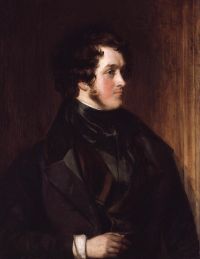
Portrait of William Harrison Ainsworth William Harrison Ainsworth,  Cruikshank's Water Colours

“ Brownlow, drawing Oliver to him, and laying his hand upon his head, ‘is your half-brother; the illegitimate son of your father, my dear friend Edwin Leeford, by poor young Agnes Fleming, who died in giving him birth.’
‘Yes,’ said Monks, scowling at the trembling boy: the beating of whose heart he might have heard. ‘That is the bastard child.’
‘The term you use,’ said Mr. Brownlow, sternly, ‘is a reproach to those long since passed beyond the feeble censure of the world. It reflects disgrace on no one living, except you who use it.
”
Source: Gutenberg

Get perspective with Kwize: daily news enlightened by great literature