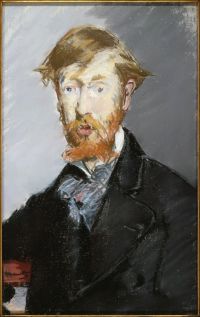
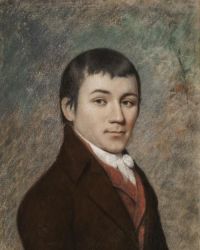
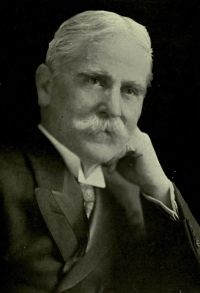
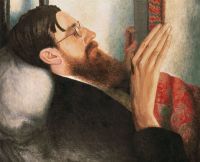
The literary concept of "twist" includes both the physical act of turning fibers and metaphorical shifts in narrative or thought. From textile techniques such as spinning and weaving to psychological and moral dilemmas, writers have examined its dual aspects. A. D. T. Whitney humorously analyzed turning movements, while George Moore associated it with reversed mental states, and Eugene Manlove Rhodes criticized the bending of truth.
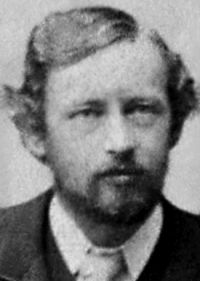
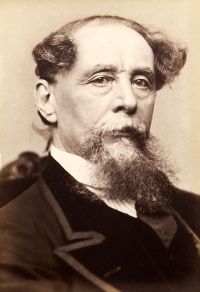
Charles Howard Hinton approached it from a scientific angle, and Oscar Wilde reduced it to a sign of warped minds. Dickens’ Oliver Twist exemplifies its narrative function, intertwining physical and moral contortions within storytelling. This theme therefore connects material craftsmanship with conceptual depth, showing how turns—literal or symbolic—shape both fabric and destiny.
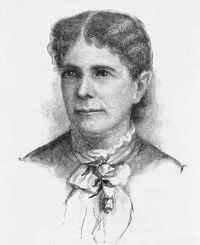 A. D. T. Whitney,
Mother Goose for Grown Folks
A. D. T. Whitney,
Mother Goose for Grown Folks