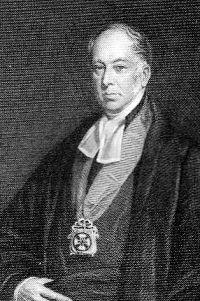
Napoleon III

Definition and stakes

Various The Atlantic Monthly, Volume 04…

If we would know the cause of the war, we must banish from our minds all that is said about the desire of Napoleon III for vengeance on the conquerors of his uncle, all that we are told of his sentimental wish for the elevation of the Italian people to a national position, and all that is predicated of his ambitious longings for the reconstruction of the First Empire. We must regard Napoleon III in the light of what he really is, namely, one of the greatest statesmen that ever lived, or we shall never be able to understand what are his purposes.
Source: Gutenberg

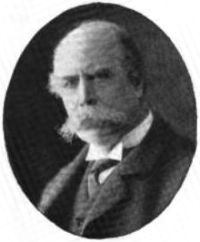
Portrait of C. H. C. Wright C. H. C. Wright A History of the Third French Republic

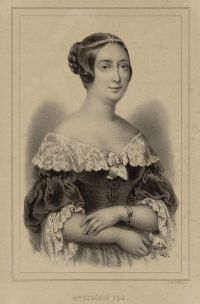
Two men were largely responsible, each in his own way, for the third French Republic, Napoleon III and Bismarck. The one, endeavoring partly at his wife's instigation to renew the prestige of a weakening Empire, and the other, furthering the ambitions of the Prussian Kingdom, set in motion the forces which culminated in the Fourth of September.
The causes of the downfall of the Empire can be traced back several years. Napoleon III was, at heart, a man of peace and had, in all sincerity, soon after his accession, uttered the famous saying: "L'empire, c'est la paix."
Source: Gutenberg

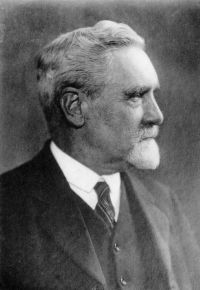
Charles Bullard Fairbanks My Unknown Chum: "Aguecheek"

The character of Napoleon III. is marked by a unity and a consistency such as invariably have distinguished the greatest men. We can see this consistency in his fidelity to the cause of law and order, whether it be manifested in his services as a special constable against the Chartists of England, or as the chief magistrate of his nation against the Chartists of France. And to this conspicuous virtue of steadfastness he adds a wonderful universality of acquirements and natural genius.
Source: Gutenberg

Get perspective with Kwize: daily news enlightened by great literature