New Castile

Definition and stakes

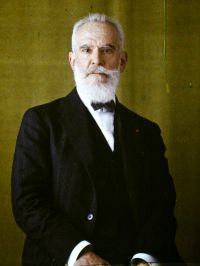
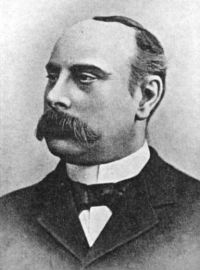
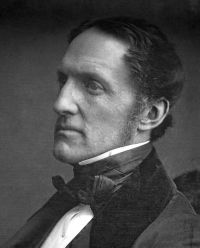
Portrait of Albert Frederick Calvert Albert Frederick Calvert,  Impressions of Spain

“ SOME of the oldest and most truly national cities of Spain are situated in the two Castiles—silent cities peopled by silent men, in the midst of a mountainous, silent country. It is no light thing to bear the stamp of Castile. The men, reserved, well bred, loyal, and proud, carry their Castilian origin in their faces, their habits, and their cast of mind; and the cities are Castilian in their strength and their uncompromising severity. One sees it in the Toledo of New Castile, and finds it in the Burgos of the older province. ”
Source: Gutenberg

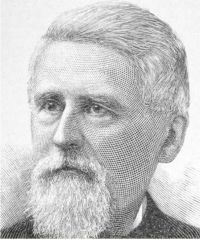
J. N. Larned,  History for ready reference, Volume 4… (1895)

“ The population declined from 10,000,000 under Charles V. (Charles I. of Spain) to 6,000,000 under Charles II. The people had vanished from hundreds of places in New Castile, Old Castile, Toledo, Estremadura, and Andalusia. One might travel miles in the lovely regions of the South, without seeing a solitary cultivated field or dwelling. Seville was almost depopulated. Pecuniary distress at the end of the 17th century reached an unexampled height; the soldiers wandered through the cities begging; nearly all the great fortresses from Barcelona to Cadiz were ruinous ”
Source: Gutenberg

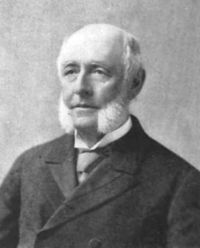
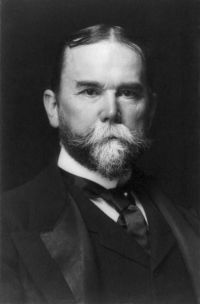
Portrait of William Hickling Prescott William Hickling Prescott,  History of the Reign of Ferdinand and Isabella the Catholic (1846)

“ Aragon did homage to Castile for her territory on the western bank of the Ebro, until the twelfth century, as did Navarre, Portugal, and, at a later period, the Moorish kingdom of Granada. [1] And, when at length the various states of Spain were consolidated into one monarchy, the capital of Castile became the capital of the new empire, and her language the language of the court and of literature. ”
Source: Wikisource

Get perspective with Kwize: daily news enlightened by great literature