Nicene Creed

Definition and stakes

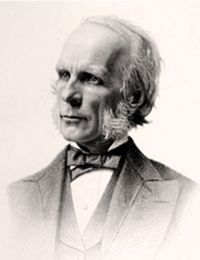
Portrait of Philip Schaff Philip Schaff,  Ante-Nicene Fathers Vol. IV — Introductory Notice (1885)

“ Surely, it is a noble exercise of mind and heart to see, in the splendid result of the Ante-Nicene conflicts with error, and in the enduring truth and perennial freshness of the Nicene Creed, the fulfilment of the promise of the Great Head of the Church, that the Spirit should abide with them for ever, and guide them into all truth. ”
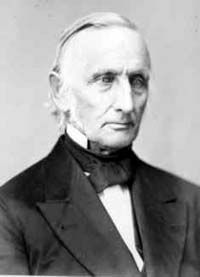
Source: Wikisource

William James Miller,  The American Church Dictionary and Cyclopedia

“ Nicene Creed.—The name commonly given to the longer of the two Creeds set forth in the Prayer Book, from its being settled at the COUNCIL OF NICEA (which see) . It was introduced into the Liturgy, A.D. 471. The rubric directs that it be specially recited in the service on Christmas Day, Easter Day, Ascension Day, Whitsun Day and Trinity Sunday; but it is always used at the Holy Communion whenever celebrated. The Nicene is the Creed of worship; the Apostles' the Creed of Instruction and of the Daily Offices. ”
Source: Gutenberg

Percival Jackson,  The Prayer Book Explained

“ And this Third is the reply of the Christian Student, as he meditates upon the furthest extent of our knowledge of God.
3. But it will be said, "The Nicene Creed partly, and the Athanasian Creed altogether, are not, in their origin, utterances of peaceful meditation, but, rather, of polemical controversy. Heated contentions and bitter strife are called to our minds by their terms, and not the atmosphere of the heaven of heavens."
It may help us to a right use of the Creeds in worship, if we think of these controversies as the meditations of a very large family.
”
Source: Gutenberg

Get perspective with Kwize: daily news enlightened by great literature