Nicomachean Ethics

Definition and stakes

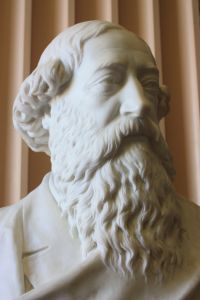
Portrait of John Stuart Blackie John Stuart Blackie,  Four Phases of Morals: Socrates…

“ He assumes morality in the moral world, just as he assumes light and air and water in the physical; he describes a moral man with strong lines and a firm hand, just as he would describe a healthy man as contrasted with a diseased man. If you have a single eye and an honest purpose, you will not fail to know what he means; if you have not, his book is not for you. There never was a more practical preacher. This word practical, therefore, I desire the reader to emphasize doubly when he applies himself to the thorough comprehension of the Nicomachean Ethics. ”
Source: Gutenberg

Portrait of Aristotle Aristotle,  Nicomachean Ethics (1908)

“ Now he who exercises his reason and cultivates it seems to be both in the best state of mind and most dear to the gods. For if the gods have any care for human affairs, as they are thought to have, it would be reasonable both that they should delight in that which was best and most akin to them (i.e. reason) and that they should reward those who love and honour this most, as caring for the things that are dear to them and acting both rightly and nobly. And that all these attributes belong most of all to the philosopher is manifest. ”
Source: Wikisource

Thomas Case,  1911 Encyclopedia Britannica (1911)

“ While the Eudemian Ethics in a more theological vein emphasizes God, the object of wisdom as the end for which prudence gives its orders, the Nicomachean Ethics in a more humanizing spirit emphasizes wisdom itself, the speculative activity, as that end, and afterwards as the highest happiness, because activity of the divine power of intellect, because an imitation of the activity of God, because most dear to God. ”
Source: Wikisource

Get perspective with Kwize: daily news enlightened by great literature