Obelisk of Memnon

Definition and stakes

Charles E. Moldenke,  The New York Obelisk: Cleopatra's Needle

“ On re-erection it was found to emit a musical sound at sunrise. This gave rise to the Greek legend of Memnon and Aurora (the dawn) . Since its restoration the sound is no longer heard. The Arabs call the two colossal statues Shamy and Damy. (96 112)
Vulture Diadem. A diadem of Pharaoh, in Egyptian neb mut or neb sheta (doubtful!) . The figure of the vulture was generally worn as the head-dress of {154}the queens. It is the symbol of protection, and represents Pharaoh and his queen as the protectors and nourishers of their people. 56 57 66 70
Wanstead Obelisk.
”
Source: Gutenberg

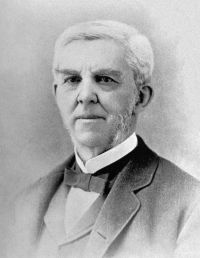
Portrait of Thomas Bulfinch Thomas Bulfinch,  The Age of Fable: — XXVI. Endymion… (1855)

“ On the banks of the river Nile, in Egypt, are two colossal statues, one of which is said to be the statue of Memnon. Ancient writers record that when the first rays of the rising sun fall upon this statue a sound is heard to issue from it, which they compare to the snapping of a harp-string. There is some doubt about the identification of the existing statue with the one described by the ancients, and the mysterious sounds are still more doubtful. Yet there are not wanting some modern testimonies to their being still audible. ”
Source: Wikisource

Charles E. Moldenke,  The New York Obelisk: Cleopatra's Needle

“ By the Egyptians the obelisk was called tekhen. This word occurs quite frequently in inscriptions, especially on the obelisks themselves, where the "determinative" alone is given without the literal complement, that is, the spelling.
The pyramidion of the obelisk, on the other hand, was called benben by the Egyptians. The prominent part played by it in the mysteries of sun-worship is attested by the inscription of king Piankhi (about 700 B. C.) , for in it is mentioned the (ha-t benben-t) , "the temple of the pyramidion" in Heliopolis.
”
Source: Gutenberg

Get perspective with Kwize: daily news enlightened by great literature