Parkersburg, West Virginia

Definition and stakes

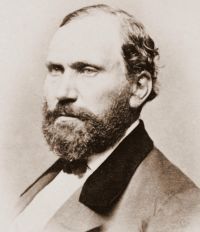
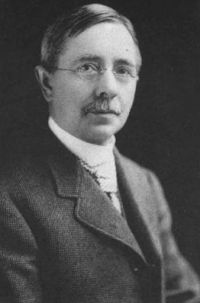
Portrait of Carter Godwin Woodson Carter Godwin Woodson The Journal of Negro History Volume 7 Number 1… (1922)

The work of the school organization of 1862 had been so well done that it was easily possible to interest school officials in the extension of school privileges to Negroes. The Parkersburg Weekly Times of June 7, 1866, carried a notice to the effect that the first public free school for the Negro children of the city of Parkersburg, West Virginia, had been opened in the school ward lately removed. "All colored children over six years of age and under twenty-one, as the law directs," continued the editor, "are at liberty to attend and are requested to do so."
Source: Wikisource

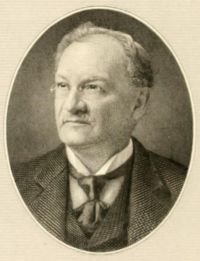
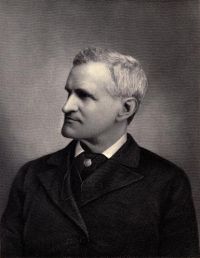
Joseph P. Bradley Parkersburg Ohio River Transp Company v…

At Parkersburg, it is the law of West Virginia. The rule referred to is a rule of the common law, undoubtedly, but it has force in West Virginia because the common law is the law of that state, and not because it is the law of the United States. The courts of the United States do not enforce the common law in municipal matters in the states because it is federal law, but because it is the law of the state.
Source: Wikisource

Portrait of Carter Godwin Woodson Carter Godwin Woodson The Journal of Negro History Volume 7 Number 1… (1922)

C. H. Payne, then well known in the State of West Virginia; Dr. W. S. Kearney, a graduate of the medical college of Shaw University, then beginning his practice in Huntington; J. R. Jefferson, F. C. Smith and O. A. Wells. Booker T. Washington was at this time made an honorary member. Byrd Prillerman was unanimously elected president.
The third annual meeting of the Association was held at Parkersburg, West Virginia, in 1893. For some reason there were not many teachers present. It was held at the Baptist Church of that city, with President Byrd Prillerman presiding.
Source: Wikisource

Get perspective with Kwize: daily news enlightened by great literature