Parliament of India

Definition and stakes

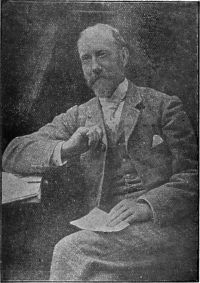
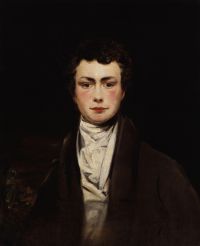
Thomas Allnutt Brassey Problems of Empire (1904)

Parliament is practically absolute in dealing with India, and considering the imperfect knowledge and the insufficient opportunities of acquiring knowledge of Indian questions possessed by most Members of Parliament, it is perhaps a matter of congratulation that the Government of India is so largely left in the hands of that noble body of civil servants, who do now, as they have done for many years past, constitute one of the finest services that the world has ever known.
Source: Wikisource

Portrait of William Wedderburn William Wedderburn Allan Octavian Hume, C.B. (1913)

It is in Parliament that vital issues are decided ; and as few Indian readers are familiar with the technicalities of Parliamentary methods, it seems necessary to explain the difficulties which an independent member desiring reform has to encounter, and to show how completely, as regards India, official influences are dominant in the House of Commons ; also it is important to understand that things have gone from bad to worse since 1858, when the direct administration of India was assumed by the Crown.
Source: Wikisource

Handbook of Home Rule: Being Articles on the Irish Question

It is possible to have an honest centralized administration of great strength and activity in India, but there is no Parliament in India. If India, or any province of it, ever gets representative government and our parliamentary system, from that hour, if there be any considerable section of Indian feeling averse from European rule, the present administrative system will be paralyzed, as the preliminary to being revolutionized.
Source: Gutenberg

Get perspective with Kwize: daily news enlightened by great literature