Persian king

Definition and stakes

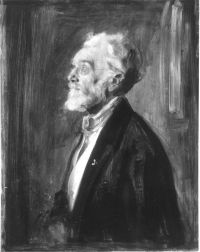
Portrait of Franz von Reber Franz von Reber,  History of Ancient Art

“ Cambyses, successor to Cyrus, crushed the oldest power of the world, that of the Pharaohs; and the third Persian king crossed the Bosporos, that he might embody in the colossal Persian empire the eastern lands of Europe and the borders of the Pontos. Persia, by the personal greatness of some of its rulers, by the healthy force of its original inhabitants, as well as by marked good-fortune, thus attained a position in the history of the world hitherto equalled by no other country ”
Source: Gutenberg

Elizabeth A. Reed,  Persian Literature, Ancient and Modern

“ The Persians were quick to learn, and gladly appropriated to themselves the civilization of Nineveh and Babylon; but luxury and dissipation will unnerve the strongest empire, and after a time the designing beauties of the harem became the rulers of weak and wicked princes, and though Persian magnificence lasted from Darius to the last Persian king, their final failure was due to their own corruption as much as to the forces of Alexander the Great. ”
Source: Gutenberg

Elizabeth A. Reed,  Persian Literature, Ancient and Modern

“ Soon the Persian banner floated from the walls, for the demon king and his leading warriors were slain, and the sisters of Isfendiyār were rejoicing in the arms of their brother. The conqueror issued a proclamation offering pardon to all who would swear allegiance to the Persian king, then with his camels laden with the richest treasures of Arjasp he returned in triumph to his native city. The royal banners were flung to the breeze when the prince returned with his recovered sisters and heavy spoils. ”
Source: Gutenberg

Get perspective with Kwize: daily news enlightened by great literature