Peterloo Massacre

Definition and stakes

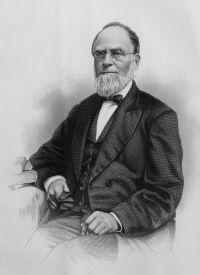
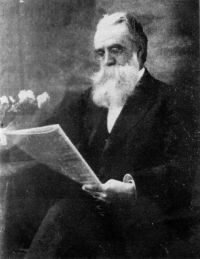
Portrait of William E. A. Axon William E. A. Axon,  Echoes of Old Lancashire

“ The “Peterloo Massacre” was a baptism of blood for the cause of reform, and the Tory victory was worse than a defeat, for it excited the indignation of all England against those who had caused the slaughter of their fellow-subjects for demanding admission within the pale of the Constitution.
The Rev. W. R. Hay wrote to Lord Sidmouth on the night of Peterloo giving his version of the affair. At the same time Mr. J. E. Taylor and Mr. Archibald Prentice each sent a plain account of the disgraceful conduct of the magistrates and the yeomanry.
”
Source: Gutenberg

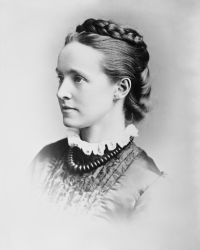
Portrait of Dame Millicent Garrett Fawcett Dame Millicent Garrett Fawcett,  Women's Suffrage: A Short History of a Great Movement

“ A picture of the Peterloo Massacre, now in the Manchester Reform Club, is dedicated to "Henry Hunt, Esq., the chairman of the meeting and to the Female Reformers of Manchester and the adjacent towns who were exposed to and suffered from the wanton and furious attack made on them by that brutal armed force, the Manchester and Cheshire Yeomanry Cavalry." The picture represents women in every part of the fray, and certainly taking their share in its horrors. ”
Source: Gutenberg

John Andrew Hamilton,  Dictionary of National Biography… (1891)

“ Hunt presided at the Smithfield reform meeting on 21 July 1819, and at the meeting in St. Peter's Fields, Manchester, on 16 Aug. which was broken up by the yeomanry, and was known as the Peterloo Massacre. Hunt was arrested, and lodged in the New Bailey prison, Manchester, and with Johnson, Moorhouse, and others was committed for trial on 27 Aug. In November he moved unsuccessfully for a criminal information against the Manchester magistrates for misconduct on 16 Aug. Hunt's trial took place before Mr. Justice Bayley at York, 16-27 March 1820. Hunt conducted his own defence. ”
Source: Wikisource

Get perspective with Kwize: daily news enlightened by great literature