Piccadilly Circus

Definition and stakes

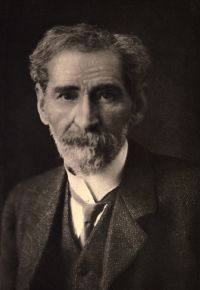
H. V. Morton,  The heart of London (1925)

“ Piccadilly Circus is empty of life and movement—save for a prowling policeman trying shop doors, and a group of men directing water from a giant hose over the gleaming, empty road.
A taxicab is an event, and a stray person walking quietly into the Circus holds dramatic possibilities. The mind fastens on him. Who is he? He may be a great criminal, or a great lover walking home after a dance with his head full of glorious dreams, or he may be a burglar, or a young man who has just inherited a million, or a young man without a place to rest his head. The emptiness of Piccadilly at three a.m.
”
Source: Gutenberg

Portrait of Hugh Walpole Hugh Walpole,  The Young Enchanted: A Romantic Story

“ Henry generally paused there before crossing the Circus partly because he was short-sighted and partly because he never became tired of the spectacle of life and excitement that Piccadilly Circus offered to him. His pince-nez that never properly fitted his nose, always covered one eye more than the other and gave the interested spectator a dramatic sense of suspense because they seemed to be eternally at the crisis of falling to the ground, there to be smashed into a hundred pieces—these pince-nez coloured his whole life. ”
Source: Gutenberg

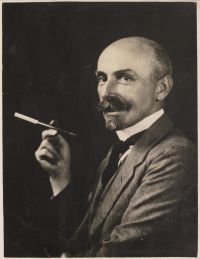
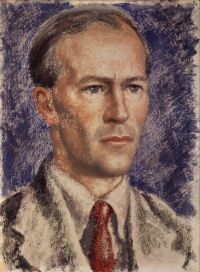
Portrait of William John Locke William John Locke,  Simon the Jester

“ At Piccadilly Circus I found the same atmosphere of hostility. My cab was blocked in the theatre-going tide, and in neighbouring vehicles I had glimpses of fair faces above soft wraps and the profiles of moustached young men in white ties. They assumed an aggravating air of ownership of the blazing thoroughfare, the only gay and joyous spot in London. I, too, had owned it once, but now I felt an alien; and the whole spirit of Piccadilly Circus rammed the sentiment home—I was an alien and an undesirable alien. ”
Source: Gutenberg

Get perspective with Kwize: daily news enlightened by great literature