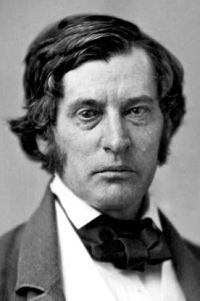
Polydore Virgil

Definition and stakes

1911 Encyclopædia Britannica (1911)

“ VIRGIL, POLYDORE (c. 1470–1355) , English historian, of Italian extraction, otherwise known as P. V. Castellensis, was a kinsman of Cardinal Hadrian Castellensis, a native of Castro in Etruria. His father’s name is said to have been George Virgil; his great-grandfather, Anthony Virgil, “a man well skilled in medicine and astrology,” had professed philosophy at Paris, as did Polydore’s own brother and protégé John Matthew Virgil, at Pavia, in 1517. ”
Source: Wikisource

Portrait of Virgil Virgil,  The Aeneid of Virgil

“ All are of one mind, to leave the guilty land, and abandoning a polluted home, to let the gales waft our fleets. So we bury Polydorus anew, and the earth is heaped high over his mound; altars are reared to his ghost, sad with dusky chaplets and black cypress; and around are the Ilian women with hair unbound in their fashion. We offer bubbling bowls of warm milk and cups of consecrated blood, and lay the spirit to rest in her tomb, and with loud voice utter the last call. ”
Source: Gutenberg

Portrait of Virgil Virgil,  The Aeneid of Virgil

“ Her, one saith, Mother Earth, when stung by wrath against the gods, bore last sister to Coeus and Enceladus, fleet-footed and swift of wing, ominous, awful, vast; for every feather on her body is a waking eye beneath, wonderful to tell, and a tongue, and as many loud lips and straining ears. By night she flits between sky and land, shrilling through the dusk, and droops not her lids in sweet slumber; in daylight she sits on guard upon tall towers or the ridge of the house-roof, and makes great cities afraid; obstinate in perverseness and forgery no less than messenger of truth. ”
Source: Gutenberg

Get perspective with Kwize: daily news enlightened by great literature