Pyncheon family

Definition and stakes

Various,  The Atlantic Monthly, Volume 05…

“ The stern theory of the author regarding the hereditary transmission of family qualities, and the visiting of the sins of the fathers on the heads of their children, almost wins our reluctant assent through the pertinacity with which the generations of the Pyncheon race are made not merely to live in the blood and brain of their descendants, but to cling to their old abiding-place on earth, so that to inhabit the house is to breathe the Pyncheon soul and assimilate the Pyncheon individuality. ”
Source: Gutenberg

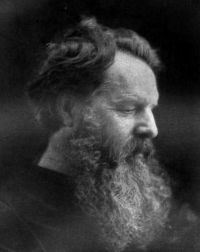
Portrait of Nathaniel Hawthorne Nathaniel Hawthorne,  House of the Seven Gables (1851)

“ The daguerreotypist once whispered her that these marks betokened the oddities of the Pyncheon family, and that the chicken itself was a symbol of the life of the old house, embodying its interpretation, likewise, although an unintelligible one, as such clews generally are. It was a feathered riddle; a mystery hatched out of an egg, and just as mysterious as if the egg had been addle! ”
Source: Gutenberg

The World's Greatest Books — Volume 05…

“ Another nephew had become the heir, and was now a judge in an inferior court. The only members of the family known to be extant, besides the judge and the thirty years' prisoner, were a sister of the latter, wretchedly poor, who lived in the House of the Seven Gables by the will of the old bachelor, and the judge's single surviving son, now travelling in Europe. The last and youngest Pyncheon was a little country girl of seventeen, whose father--another of the judge's cousins--was dead, and whose mother had taken another husband. ”
Source: Gutenberg

Get perspective with Kwize: daily news enlightened by great literature