Quechua language

Definition and stakes

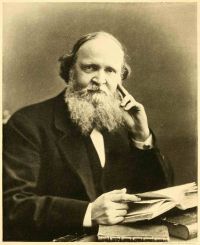
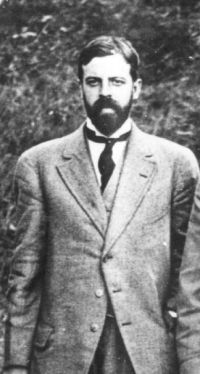
Portrait of Joseph Deniker Joseph Deniker,  The Races of Man: An Outline of Anthropology and Ethnography

“ This language is not at all superseded by Spanish; on the contrary, the Whites learn it, and several Quechua words: guano, pampa, condor, quina, have found their way into the languages of all civilised nations. [644] The principal tribes are: the Huancas to the north-east of Lima, the Lamanas near Trujillo, the Incas in the vicinity of the Rio Apurimac, the Aymaras of the high table-lands of Bolivia (600,000 individuals, of whom two-thirds are of pure blood) .
In spite of the diversity of dialects all the Quechuas and Aymaras present a remarkable uniformity of physical type.
”
Source: Gutenberg

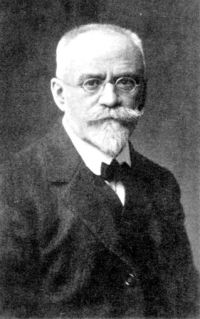
Portrait of A. L. Kroeber A. L. Kroeber,  Anthropology (1923)

“ This imaginary situation parallels the actual one in American linguistics. Not a single ancient form of speech has been preserved. Many living ones are inadequately known. The fact that some enthusiast has compiled a grammar of Nahuatl or Quechua or Eskimo does not necessarily mean that he has dissected out its whole structure. A book devoted to a language may be as superficial as it looks learned. And the man who really knew Nahuatl has usually concerned himself very little with Quechua. ”
Source: Gutenberg

Sir Richard Henry Bonnycastle,  Spanish America, Vol. 1 (of 2)

“ The ladies of Quito are generally handsome and well educated, and the men a good looking race. The instruction given to young people of rank consists chiefly in the polite arts, and in philosophy and divinity. The language of the whites and most of their descendants is Spanish, but the Quichua and other dialects of Indian origin are no less common. ”
Source: Gutenberg

Get perspective with Kwize: daily news enlightened by great literature