Rabbi Ben Ezra

Definition and stakes

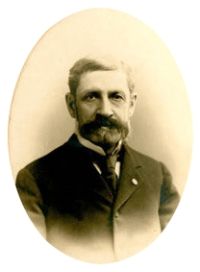
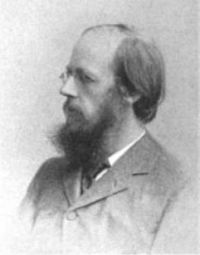
Portrait of C. H. Herford C. H. Herford,  Robert Browning

“ Abt Vogler and Rabbi ben Ezra are among the surest strongholds of his popular fame. Rabbi ben Ezra is a great song of life, bearing more fully perhaps than any other poem the burden of what he had to say to his generation, but lifted far above mere didacticism by the sustained glow in which ethical passion, and its imaginative splendour, indistinguishably blend. It is not for nothing that Browning put this loftiest utterance of all that was most strenuous in his own faith into the mouth of a member of the race which has beyond others known how to suffer and how to transfigure its suffering. ”
Source: Gutenberg

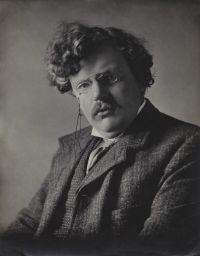
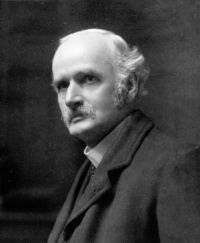
Portrait of C. H. Herford C. H. Herford,  Robert Browning

“ Ben Ezra's thoughts are not all Hebraic, but they are conceived in the most exalted temper of Hebrew prophecy; blending the calm of achieved wisdom with the fervour of eagerly accepted discipline, imperious scorn for the ignorance of fools, and heroic ardour, for the pangs and throes of the fray. Ideals which, coolly analysed, seem antithetical, and which have in reality inspired opposite ways of life, meet in the fusing flame of the Rabbi's impassioned thought: the body is the soul's beguiling sorceress, but also its helpful comrade ”
Source: Gutenberg

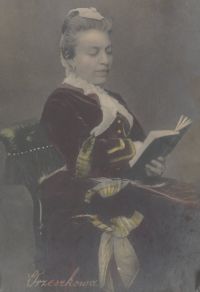
Mrs. Sutherland Orr,  A Handbook to the Works of Browning…

“ The most striking feature of Rabbi Ben Ezra's philosophy is his estimate of age. According to him the soul is eternal, but it completes the first stage of its experience in the earthly life; and the climax of the earthly life is attained, not in the middle of it, but at its close. Age is therefore a period, not only of rest, but of fruition.
"Spiritual conflict is appropriate to youth. It is well that youth should sigh for the impossible, and, if needs be, blunder in the endeavour to improve what is. He would be a brute whose body could keep pace with his soul.
”
Source: Gutenberg

Get perspective with Kwize: daily news enlightened by great literature