“ Modern Judaism, in short, claims no finality but what is expressed in that hope. It holds itself ready to develop, to modify, to absorb, to assimilate, except in so far as such processes seem inconsistent with this hope. Modern Jews think that in some respects the Rabbinic Judaism was an advance on the Biblical; they think further that their own modern Judaism is an advance on the Rabbinic. Judaism, as they conceive it, is the one religion, with a great history behind it, that does not claim the religious doctrines of some particular moment in its history to be the last word on Religion. ”
Rabbinic Judaism
Definition and stakes
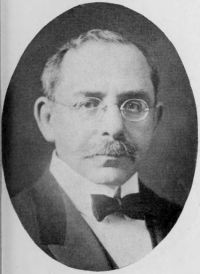
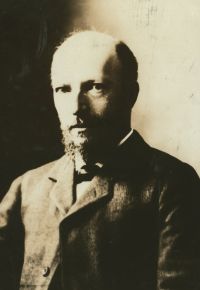
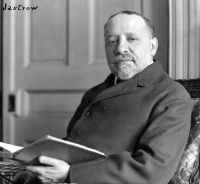
The theme of “Rabbinic Judaism” has been addressed by authors such as Heinrich Graetz, Israel Abrahams, Moses Hess, Nahum Slouschz and David Kaufmann. It is often associated with terms like Jews, Christianity, Talmud, Rabbi and synagogue.
Quotes about “Rabbinic Judaism”
 Nahum Slouschz,
The Renascence of Hebrew Literature…
“ An entire generation was to pass before historical Judaism came into its own again, through the creation of a pure "Science of Judaism" and the conception of the mission of the Jewish people.Nevertheless the movement called into being by the Meassefim caused considerable stir. For the first time the Rabbinic tradition, petrified by age and ignorance, was assailed, in the sacred language at that, and the attack was launched in the name of science and life. For the first time the Haskalah, Hebrew humanism, declared war on whatever in the past trammelled the modern evolution of Judaism. ”
G. F. Abbott, Israel in Europe (1907)
“ The solemn puerilities of the Talmud and the ponderous frivolities of Rabbinic tradition, grotesque ritualism, and all the inartistic ineptitudes in belief and practice, with which ages of barbarism had encrusted Judaism, were relegated to the lumber-room of antiquarian curiosities, and all that was fresh and truly alive in the Jewish race sought new vehicles for the expression of new thoughts: modern emotions were translated into modern modes of utterance and action. ”