Raja Yoga

Definition and stakes

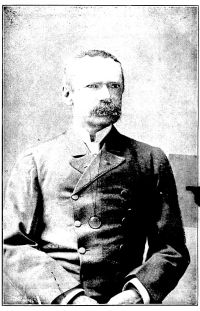
Portrait of William Walker Atkinson William Walker Atkinson,  A Series of Lessons in Gnani Yoga…

“ Each branch of Yoga is but a path leading toward the one end—unfoldment, development, and growth. He who wishes first to develop, control and strengthen his physical body so as to render it a fit instrument of the Higher Self, follows the path of "Hatha Yoga." He who would develop his will-power and mental faculties, unfolding the inner senses, and latent powers, follows the path of "Raja Yoga." He who wishes to develop by "knowing"—by studying the fundamental principles, and the wonderful truths underlying Life, follows the path of "Gnani Yoga." ”
Source: Gutenberg

Portrait of William Walker Atkinson William Walker Atkinson,  A Series of Lessons in Raja Yoga

“ Those highly advanced in the science are believed to have obtained such a wonderful degree of power and control over the forces of the universe, that they are as gods compared with the ordinary man.
Raja Yoga teaches that not only may power of this kind be secured, but that a wonderful field of Knowledge is opened out through its practice. It holds that when the concentrated mind is focused upon thing or subject, the true nature and inner meaning, of, and concerning, that thing or subject will be brought to view.
”
Source: Gutenberg

Ramakrishna Paramahamsa,  The Gospel of Râmakrishna (1907)

“ So the practice of Hatha Yoga will bring one control over the body, but it will carry one only so far. Raja Yoga, on the contrary, deals with the mind and leads to spiritual results through discrimination, concentration and meditation. Perfect concentration of the mind is necessary in the path of Raja Yoga. Mind is like the flame of a lamp. When the wind of Concentration. desire blows, it is restless; when there is no wind, it is steady. ”
Source: Wikisource

Get perspective with Kwize: daily news enlightened by great literature