Rastignac

Definition and stakes

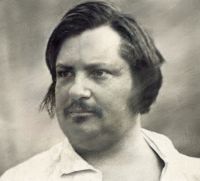
Portrait of Honoré de Balzac Honoré de Balzac,  Father Goriot (1835)

“ Eugene felt in vain in his pocket, and was obliged to borrow five francs of Christophe. This thing, so trifling in itself, gave Rastignac a terrible pang of distress. It was growing dusk, the damp twilight fretted his nerves; he gazed down into the grave and the tears he shed were drawn from him by the sacred emotion, a single-hearted sorrow. When such tears fall on earth, their radiance reaches heaven. And with that tear that fell on Father Goriot's grave, Eugene Rastignac's youth ended. ”

Source: Wikisource

Portrait of Philip José Farmer Philip José Farmer,  Rastignac the Devil

“ Rastignac ran down the steps, out into the courtyard. He seized the Jail-breaker's arm and demanded the key to the grilles. Dazed, the white-faced official meekly and silently handed it to him. Without his Skin Rastignac was no longer fearfully inhibited. If you were forceful enough and did not behave according to the normal pattern you could get just about anything you wanted. The average Man or Ssassaror did not know how to react to his violence. ”
Source: Gutenberg

Portrait of Philip José Farmer Philip José Farmer,  Rastignac the Devil

“ Rastignac quit his limited roving and called up to the guard.
"Shoo l'footyay, kal u ay tee?"
The guard leaned over the grille. His large hat with its tall wings sticking from the peak was green in the daytime. But now, illuminated only by a far off torchlight and by a glowworm coiled around the band, it was black.
"Ah, shoo Zhaw-Zhawk W'stenyek," he said, loudly. "What time is it? What do you care what time it is?" And he concluded with the stock phrase of the jailer, unchanged through millenia and over light-years. "You're not going any place, are you?"
”
Source: Gutenberg

Get perspective with Kwize: daily news enlightened by great literature