Reynard the Fox

Definition and stakes

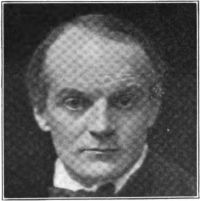
Stuart Sherman,  John Masefield (October 2016)

“ The year 1919 saw the publication of Reynard the Fox, that flashing record of a hunt which stirs the blood of every reader, whether he has ever ridden to the hounds or not. Here is England, her people, and her dearest sport, sung in swinging, almost perfect verse. "I wrote Reynard the Fox partly because the events of a fox hunt have been for some centuries the deepest pleasure in English country life, and partly because the fox hunt brings together on terms of equality all sorts and conditions of the English people. Hunting makes more people happy than anything I know." ”
Source: Wikisource

Jane Fielding,  Master Reynard: The History of a Fox

“ It was the enemy—it was man. I recognized him at first sight, unlike though he was to the being I had vaguely imagined. There is no reason for surprise that I did. For what beast of the field or wild stands erect with such ease on his hind-feet, or has face, fore-paws and ears as bare of fur as is the skin of a mangy fox? Moreover, I caught his scent; and it was the same scent as had tainted the stone on the cliff, that tainted the faggots—evidence hardly less convincing than the steady gaze of his eyes and the shout he raised. At the awful sound we turned tail and melted into the brake. ”
Source: Gutenberg

Portrait of Hippolyte Taine Hippolyte Taine,  History of English Literature Volume 1…

“ And from beginning to end this long epic of Reynard the Fox is the same; the raillery never ceases, and never fails to be agreeable. Reynard has so much wit that he is pardoned for everything. The necessity for laughter is national—so indigenous to the French, that a stranger cannot understand, and is shocked by it. This pleasure does not resemble physical joy in any respect, which is to be despised for its grossness; on the contrary, it sharpens the intelligence, and brings to light many a delicate or ticklish idea. ”
Source: Gutenberg

Get perspective with Kwize: daily news enlightened by great literature